Adelaide Hills wine and cheese tastings: where to go and what to try
Six Adelaide Hills cellar doors for wine with cheese, from Artwine's A$25 seated tasting to Golding's vineyard picnic hamper, plus which local wines to try with brie, goat cheese, cheddar and blue.
For a seated wine-and-cheese tasting in the Adelaide Hills, book Artwine at Woodside: A$25 buys at least six wines with a small Adelaide Hills cheese plate (checked October 2026). Anderson Hill in Lenswood adds a cheese plate to its six-wine tasting for the same A$25, and Golding, Nepenthe and Hahndorf Hill let you order a board beside a flight or a bottle. If you would rather not drive between them, the dates below are for the Hahndorf: Gourmet Food & Wine E-Bike Tour, a guided five-hour ride from The Lane with Udder Delights cheeses, a five-wine flight at Shaw + Smith, a stop at Nepenthe and a last tasting at The Lane, from $186 per person; it has only five reviews on GetYourGuide so far (4.9/5), but the same operator’s Hahndorf food and wine e-bike tour on Viator is rated 5.0/5 from 59 reviews, from $189. Without a bike, the Small Group Adelaide Hills and Hahndorf Hideaway Tour from Adelaide stops at the Woodside Cheese Cellar for cow, goat and buffalo cheese, then tastes at The Lane and Sidewood, rated 4.8/5 from 205 reviews, from $175 per person.
Check Availability
Same ride, also on Viator
From $189 per person · ★ 5.0 from 59 Viator reviews
Each platform sets its own price and collects its own reviews, so compare both before you book on GetYourGuide.
The Hills’ Chardonnay, Pinot Noir, Sauvignon Blanc, sparkling wine, Riesling and Grüner Veltliner suit cheese well, because many of them pair lively acidity with fairly restrained alcohol and tannin. The regional association, Adelaide Hills Wine, names Chardonnay and Pinot Noir as the key grapes of the coolest sites, with Sauvignon Blanc, Riesling and Pinot Gris suited to slightly warmer ones.
You do not need a degustation. Many of the best visits are simple: six wines with a small local cheese plate, a bottle and a cheeseboard overlooking the vines, or a picnic hamper on a winery lawn.
Quick recommendation: for a proper wine-and-cheese tasting, start with Artwine or Anderson Hill. For a slow cheese board with a glass and a vineyard view, go to Golding Wines, Nepenthe or Hahndorf Hill.
Adelaide Hills wine and cheese tastings at a glance
| Winery | Best for | Cheese experience | Wines to look for |
|---|---|---|---|
| Artwine Estate | A structured wine-and-cheese tasting | Cheese plate included with the tasting | Emerging varieties, aromatic whites, reds |
| Anderson Hill | Adding cheese to a classic tasting | Cheese tasting plate with the Signature Tasting | Chardonnay, Sauvignon Blanc, Pinot Noir |
| Golding Wines | A relaxed afternoon | Cheese boards daily; picnic hampers September to April | Sparkling, Chardonnay, Pinot Noir |
| Nepenthe | A lawn or deck setting | Local cheese and charcuterie boards | Sauvignon Blanc, Chardonnay, Pinot Noir |
| Hahndorf Hill | Unusual wine styles | Cheese plate with a flight or a glass | Grüner Veltliner, Austrian varieties |
| Lobethal Road | A quiet weekday stop | Local cheese platter on Mondays and Thursdays | Cool-climate Adelaide Hills wines |
Menus, tasting formats and prices change, so check with the cellar door when you book.
For more to book around a wine-and-cheese day, from Hahndorf food tours and strawberry picking to Cleland Wildlife Park, Mount Lofty Summit and Barossa Valley day trips, browse these:
1. Artwine Estate: best for a proper wine-and-cheese tasting
Woodside
If you want an Adelaide Hills wine and cheese tasting, and not just a winery that also sells cheese, Artwine is the neatest fit.
Its regular tasting costs A$25 per person (checked October 2026) and includes at least six wines plus a small Adelaide Hills cheese tasting plate, local lavosh and house-roasted almonds. Tastings are seated and guided, so you have time to notice how each wine changes with the cheese instead of simply sharing a platter at the table.
Artwine also suits drinkers who have already tasted plenty of Chardonnay and Pinot Noir. The winery concentrates on less familiar and emerging varieties, so the tasting turns into a lesson in how different grapes behave alongside cheese.
Why choose Artwine
- Cheese is part of the tasting, not a separate menu item.
- The tasting includes at least six wines.
- The cellar door overlooks vineyards and the surrounding Hills.
- Small plates and larger seasonal platters are available if you want to stay longer.
- Vegetarian, vegan and gluten-free options are offered for parts of the food menu.
Artwine’s winter hours are Wednesday to Saturday 10 a.m. to 4 p.m. and Sunday noon to 4 p.m., closed Monday and Tuesday; check the summer hours before you go.
Best for
First-time visitors, couples, wine-curious travellers and anyone looking for a guided cheese-and-wine tasting.
Other Experiences
Other experiences you might enjoy
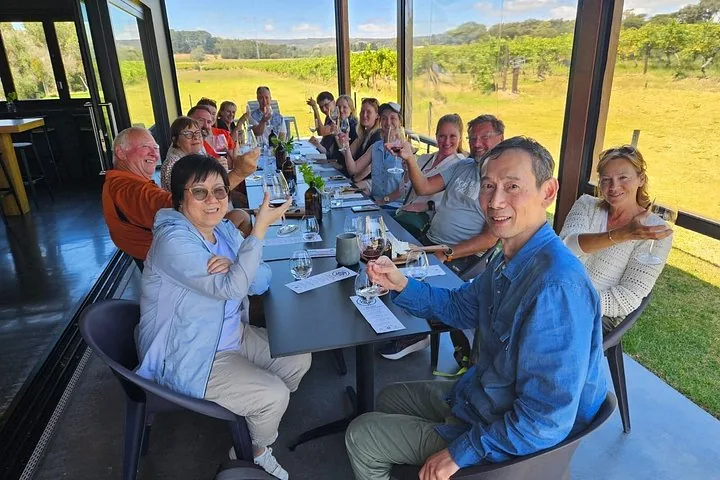
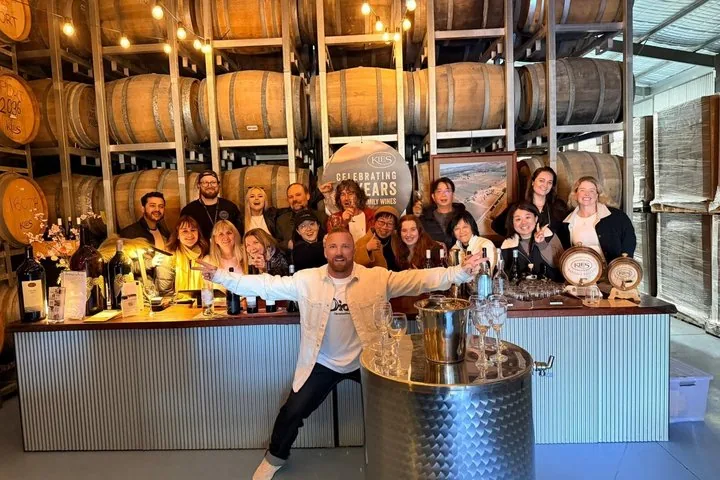
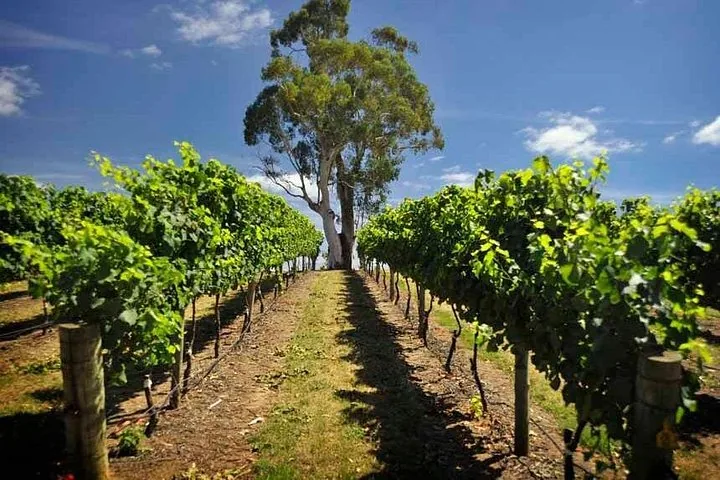
More Adelaide Hills wine tours, each with its own page and booking link.
2. Anderson Hill: best for comparing classic Hills wines with cheese
Lenswood
Anderson Hill is a good stop for the classic cool-climate side of the Adelaide Hills.
Its Signature Tasting includes six wines and costs A$15 per person for wine only, or A$25 per person with a cheese tasting plate (checked October 2026). Bookings are essential, and the cellar door opens Thursday to Monday and selected public holidays, 11 a.m. to 5 p.m.
The range includes Chardonnay, Sauvignon Blanc, Pinot Noir, Shiraz, rosé and sparkling wine, so you can try several very different cheese pairings in one sitting.
Altitude is part of the story here. Anderson Hill’s profile on the Adelaide Hills Wine directory puts its Lenswood vineyard 600 metres above sea level, near the top of the region’s range, which helps keep its grapes cool as they ripen.
What to taste with cheese here
Start with the Sauvignon Blanc and a fresh or tangy cheese, move to Chardonnay with something creamier, then finish with Pinot Noir and a semi-firm cheese.
You are not looking for one correct match. Taste the wine before the cheese, take a bite, then taste the wine again. The change is often more interesting than the pairing itself.
Best for
Visitors who want the classic Adelaide Hills grapes in a tasting that teaches you something without feeling formal.
3. Golding Wines: best for a long cheese-and-wine afternoon
Lobethal
Golding is the place to stop moving for a while.
The family estate sits among vineyards and gardens outside Lobethal. Its tasting room serves wine flights, platters and cheese boards daily, and the adjoining Ginkgo Restaurant serves lunch.
That makes it an easy choice if your ideal Hills afternoon runs like this:
taste wine → choose your favourite → order cheese → stay for another glass.
From September to April, Golding also runs its Hamper in the Hills picnic: cured meats, Section 28 cheese, house-made dip, pickled vegetables from the market garden, focaccia and flatbread, with a bottle of Market Series wine and a picnic rug. The hamper costs A$140 for two or A$280 for four (checked October 2026), for groups of two to ten, seven days a week except public holidays, and it depends on the weather.
For couples, the hamper puts the cheese at the centre of the visit, instead of something eaten between tasting pours.
Best for
Couples, picnics, long afternoons and anyone who would happily sit with a bottle instead of rushing through several cellar doors.
4. Hahndorf Hill: best for Grüner Veltliner and unusual pairings
Hahndorf
Hahndorf Hill is on this list because its wines are different.
Alongside familiar cool-climate styles, the winery specialises in Austrian varieties including Grüner Veltliner, Blaufränkisch, Zweigelt and Saint Laurent. You can order a flight or a glass with a cheese plate while overlooking the vineyard.
If you normally default to Chardonnay or Pinot Noir with cheese, this is the place to experiment.
The pairing to try
Grüner Veltliner with fresh or semi-soft cheese.
Grüner’s freshness, citrus and often lightly herbal or peppery character work with cheeses that a heavy red would flatten.
Hahndorf Hill is also known for ChocoVino, its wine-and-chocolate matching tasting, so a visit can cover more than a standard flight.
Best for
Adventurous drinkers, repeat visitors to the Hills and anyone staying in or visiting Hahndorf.
5. Nepenthe: best for cheese on the lawn
Balhannah
Nepenthe is at its best on a fine day.
Its modern cellar door has large windows, a deck and lawns overlooking the Adelaide Hills. You can choose a guided tasting or a more relaxed self-guided flight, and order local charcuterie and cheese boards to eat on the deck or the lawn.
Here the cheese is there to turn a tasting into an afternoon, not to teach pairing theory.
What to order
Begin with one of the region’s crisp whites or a sparkling wine if your flight has one, then move to Chardonnay or Pinot Noir as the cheeses get richer.
Best for
Groups, sunny days and travellers who want a relaxed tasting instead of a structured one.
6. Lobethal Road: best for a quiet cheese-platter stop
Between Lobethal and Mount Torrens
Lobethal Road is a quieter alternative to the better-known cellar doors, in a rural corner of the Hills.
The winery pours several four-wine flights every day it opens. Lunch is served Friday to Sunday and most public holidays, and on Mondays and Thursdays a local cheese platter comes with your tasting. Bookings for tastings and lunch are highly recommended. The cellar door opens Monday and Thursday to Sunday, 11 a.m. to 5 p.m.
It sits about 40 kilometres from central Adelaide, in the north-east of the Hills, away from the busier Hahndorf–Woodside circuit.
Best for
A slower weekday trip, couples and travellers who prefer small cellar doors to destination restaurants.
Other Adelaide Hills wineries with cheese or grazing platters
Many more cellar doors serve cheese than the six above.
The Adelaide Hills Wine directory lists cheese, charcuterie or regional platters at places including Tapanappa, CRFT Wines, Howard Vineyard, Karrawatta and Longview Vineyard, among others. These change with the season, so treat them as likely options and do not plan a day around one particular platter.
If cheese is the main reason for your visit, check the current food menu before you set out.
What wine goes best with cheese?
No single wine suits every cheese.
Think about intensity, fat, acidity, salt and sweetness.
Rich, creamy cheese usually benefits from refreshing acidity. A delicate cheese can disappear next to a powerful wine. Salty blue cheese can make a dry, tannic red taste harsher, while a sweet wine gives a gentler contrast.
These are the combinations to look for at an Adelaide Hills cellar door.
Sparkling wine with brie or triple-cream cheese
One of the safest combinations on the board.
Sparkling wine brings acidity and bubbles, and both refresh your palate after a rich, creamy cheese. Brie, Camembert and triple-cream styles are the classic partners.
This pairing fits the Hills well, because the cooler areas grow Chardonnay and Pinot Noir for sparkling wine.
Try: Adelaide Hills sparkling with a brie-style or triple-cream cheese.
Sauvignon Blanc with goat cheese
Sauvignon Blanc and goat cheese is one of wine’s most reliable matches.
Both can be bright and tangy, so neither overwhelms the other, and Sauvignon Blanc is one of the region’s main grapes.
Try: Sauvignon Blanc with fresh goat curd or chèvre.
Start here if cheese with red wine usually feels too heavy for you.
Grüner Veltliner with fresh or semi-soft cheese
This is the pairing to look for at Hahndorf Hill.
Grüner Veltliner can combine freshness with citrus, herbal and peppery notes, which makes it a good partner for fresh cheeses, mild washed-rind cheeses and semi-soft styles.
It also ties your tasting to the place: Hahndorf Hill is closely associated with Austrian grapes, so a Grüner here tells you more about the region than another generic red.
Chardonnay with brie, Camembert or semi-hard cheese
Chardonnay adapts to a lot of cheeses.
A lean, high-acid Chardonnay can work with soft, creamy cheese; a richer or lightly oaked one can handle nuttier, firmer styles.
It is also one of the most local choices, since Chardonnay is a principal grape of the coolest parts of the Hills.
Try:
- Chardonnay with brie
- Chardonnay with a creamy washed rind
- Chardonnay with a nutty semi-hard cheese
Pinot Noir with mild, earthy or semi-firm cheese
For a mixed cheese board, Pinot Noir is often a better red than a heavily tannic Cabernet.
Its lighter body lets it sit beside the cheese without dominating it, and the Hills’ cool areas are closely associated with the grape. For more on the local style, see our Adelaide Hills Pinot Noir guide.
Try:
- Pinot Noir with brie
- Pinot Noir with a Gruyère-style cheese
- Pinot Noir with a mild washed-rind cheese
Save the strongest blue cheese for later, because it can overwhelm a delicate Pinot.
Shiraz with aged cheddar or hard cheese
If you want red wine with a stronger cheese, move to firmer, aged styles.
Hard cheeses have enough intensity, protein and fat to stand up to more structured reds; aged cheddar and Gouda are the usual suggestions.
Adelaide Hills Shiraz is a cooler-climate style than the powerful Shiraz of warmer South Australian regions, which makes it an interesting one to compare.
Try: cool-climate Shiraz with aged cheddar.
Sweet wine with blue cheese
Here sweetness usually helps more than tannin.
Blue cheese is salty and pungent. A sweet wine softens the salty edge, and its acidity refreshes the richness. A very dry, tannic red can taste bitter or metallic beside a strong blue.
If a cellar door has both a blue cheese and a late-harvest, sweet or fortified wine, try them together. The result can surprise you.
Adelaide Hills wine-and-cheese pairing cheat sheet
| Cheese | Adelaide Hills wine to try | Why it works |
|---|---|---|
| Fresh goat cheese | Sauvignon Blanc | Bright acidity meets tangy cheese |
| Brie / triple cream | Sparkling wine | Bubbles and acidity refresh the richness |
| Camembert | Chardonnay | Enough freshness and body for a creamy cheese |
| Mild semi-hard cheese | Grüner Veltliner | Fresh and aromatic without overpowering |
| Gruyère-style cheese | Pinot Noir | Moderate intensity on both sides |
| Aged cheddar | Shiraz | A hard cheese stands up to a fuller red |
| Blue cheese | Sweet or late-harvest wine | Sweetness balances salt and pungency |
Treat these as starting points. You learn most by comparing.
How to taste wine and cheese
You do not need a sommelier’s vocabulary. Use these four steps.
1. Taste the wine on its own
Notice whether it feels crisp, creamy, fruity, tannic, sweet or savoury.
2. Taste the cheese
Think mainly about texture and intensity. Is it fresh and tangy, rich and creamy, firm and nutty, or salty and blue?
3. Take another sip of wine
Has the wine become:
- fruitier?
- smoother?
- sharper?
- more bitter?
- sweeter?
- less acidic?
A good pairing makes you want another bite and another sip.
4. Change one thing
Try the same wine with a different cheese. That comparison teaches you more than being told two things “pair perfectly”. For what to expect at the tasting counter itself, see our Adelaide Hills wine tasting guide.
Should you book a dedicated wine-and-cheese tasting?
Not necessarily. Three different visits hide behind the phrase wine and cheese tasting.
Structured pairing
Wine and cheese are served together as part of the tasting.
Choose this if: you want to learn.
Best fit: Artwine or Anderson Hill.
Wine flight with a cheese board
You choose a tasting or flight and order cheese alongside it.
Choose this if: you want flexibility.
Good fits: Hahndorf Hill, Nepenthe and Golding.
Bottle with a grazing platter or picnic
You settle in with one wine instead of tasting several.
Choose this if: the setting matters more to you than learning about wine.
Good fit: Golding’s Hamper in the Hills, September to April.
Many visitors enjoy this third kind of visit most.
Can you find local Adelaide Hills cheese?
Yes, and the cheese on your plate often comes from nearby.
South Australia has a strong artisan cheese scene, and Hills wineries often put local cheeses on their tasting plates and grazing boards.
Golding’s hamper names Section 28 cheese, and winery menus around the region regularly feature Section 28 and other South Australian cheesemakers.
Udder Delights, closely tied to the Adelaide Hills, makes a wide range of cheeses, and its own pairing notes suggest Sauvignon Blanc, Riesling, Chardonnay and sparkling wine with several of its blue cheeses.
So both halves of the pairing can tell you something about the region.
How many wineries should you visit in one day?
For a wine-and-cheese day, keep it to three wineries, four at most.
Cheese boards slow the day down, which is the point. Five or six cellar doors usually means:
- rushed tastings;
- platters left half-eaten;
- too much time in the car;
- remembering very little about the wines.
A better pattern:
- 10:30–11:00: first, structured tasting
- 12:30: second winery, with cheese or lunch
- 15:00: a last relaxed flight or glass
You get more from each cellar door and still reach Adelaide at a sensible hour. For a longer sit-down meal in the middle of the day, see our Adelaide Hills wineries with lunch.
A wine-and-cheese day trip route
Pick stops that each offer something different, so you do not end up with three similar cheeseboards.
Stop 1: Artwine
Start with the structured tasting while your palate is fresh.
Stop 2: Golding Wines
Move on to a slower cheese board, lunch or picnic.
Stop 3: Hahndorf Hill
Finish with Austrian varieties and a cheese plate, then spend some time in Hahndorf if you are not rushing back to Adelaide.
For quieter countryside, combine Anderson Hill, Nepenthe and Lobethal Road instead. Remember Anderson Hill closes Tuesday and Wednesday, and Lobethal Road’s cheese platter runs only on Mondays and Thursdays. For more cellar doors to build a day around, see the best Adelaide Hills cellar doors.
Do you need a car?
The Hills are close to Adelaide, but the cellar doors are spread out, not grouped around one walkable centre.
If everyone in your group wants to taste properly, a guided tour or a private driver is much easier than choosing a designated driver. Three options on this site:
- The Hills & Hahndorf Hideaway stops at the Woodside Cheese Cellar and tastes at The Lane and Sidewood, rated 4.8/5 from 205 reviews, from $175 per person.
- The Private Wine Tours McLaren Vale or Adelaide Hills lets your party of up to four name its own cellar doors, so you can build the day around Artwine or Golding, rated 5.0/5 from 78 reviews, from $171 per person; tasting fees are extra.
- The Adelaide Hills & Hahndorf Hop-On Hop-Off Wine Tour loops 8–10 venues around Hahndorf and lets you hop off at up to four, rated 4.8/5 from 155 reviews, from $71 per person plus tasting fees.
With a driver, you can also order a second glass with the cheese board without doing sums about driving afterwards.
If you drive yourself, Australian drink-driving laws apply and tasting pours add up quickly; the safest plan is for the driver not to drink. For other ways to get around, see Adelaide Hills wineries without a car.
Do you need to book?
At the most popular wineries, yes. Booking makes most sense:
- on Saturdays and Sundays;
- in spring and autumn;
- for groups;
- for a structured tasting;
- if cheese is essential to your visit;
- for lunch or a picnic;
- during Adelaide events and holiday weekends.
Anderson Hill says bookings are essential for its tastings, and Hahndorf Hill and Lobethal Road recommend booking.
Food menus change faster than wine lists, so if you have your heart set on a particular cheeseboard, check before you travel.
How much does a wine-and-cheese tasting cost?
Prices vary, and a tasting with cheese can be good value. Checked October 2026:
- Artwine: A$25 for at least six wines with a small cheese plate.
- Anderson Hill: A$15 for the Signature Tasting, or A$25 with the cheese tasting plate.
- Golding Hamper in the Hills: A$140 for two, with food and a bottle of wine, September to April.
At other cellar doors, a separate cheese or charcuterie board is added to your tasting fee.
Prices and menus change, so treat these as examples and confirm when you book.
Best wine-and-cheese visit for couples
Choose between two kinds of date.
For a tasting-focused date: Artwine
The wines and cheese arrive as one tasting, which gives you plenty to talk about.
For a slow afternoon: Golding Wines
The gardens, cheese boards and picnic hampers make it easy to stay for a few hours instead of getting back in the car after 45 minutes.
If you are staying around Hahndorf, Hahndorf Hill is the other obvious choice.
Best choice for first-time wine drinkers
Do not worry about finding the winery with the most prestigious bottle. Look for:
- a seated tasting;
- knowledgeable staff;
- four to six wines, not fifteen;
- several different styles;
- cheese included or easy to add;
- enough time to compare.
On those points, Artwine and Anderson Hill are the most approachable.
Cheese also makes tasting less intimidating. You do not have to decide whether a Chardonnay smells of white peach or grapefruit pith. Just ask yourself:
Did I like this wine more or less after the cheese?
That is a perfectly good way to taste.
Best time of year for wine and cheese in the Adelaide Hills
Every season works.
Spring
Green vineyards, blossom and good picnic weather make this one of the prettiest times to visit.
Summer
Lawns, terraces and cold Sauvignon Blanc or sparkling wine. Pick somewhere with shade on hot days.
Autumn
Harvest, changing leaves and cooler afternoons.
Winter
The visit moves indoors, to fireplaces, Chardonnay, Pinot Noir, Shiraz and long lunches.
The Hills are cooler than Adelaide itself because of their height, so bring an extra layer even when the city feels warm.
Frequently asked questions
Where can I do a wine and cheese tasting in the Adelaide Hills?
Artwine in Woodside runs the clearest one: A$25 for at least six wines with a small Adelaide Hills cheese plate (checked October 2026). Anderson Hill in Lenswood adds an optional cheese tasting plate to its Signature Tasting for A$25. Golding, Nepenthe and Hahndorf Hill let you order cheese boards or plates alongside a flight or a glass.
Which Adelaide Hills wine is best with cheese?
That depends on the cheese. Sparkling suits creamy soft cheese, Sauvignon Blanc goes with goat cheese, Chardonnay with brie and semi-hard cheeses, Pinot Noir with milder earthy cheeses, and fuller reds such as Shiraz with aged hard cheeses.
Is the Adelaide Hills known for cheese as well as wine?
The Hills have a strong local-produce culture, and many cellar doors use local cheese on tasting plates, grazing boards and picnic hampers. The Adelaide Hills Wine directory lists many wineries that serve platters and food.
Is red or white wine better with cheese?
Neither is automatically better. Crisp whites and sparkling wines are often easier partners for rich, creamy cheeses, while reds suit firmer, more intense cheeses. A strong, salty blue usually works better with a sweet wine than with a dry, tannic red.
Can I visit Adelaide Hills wineries without booking?
Some take walk-ins when they have space, but booking is wise at weekends and essential for some tastings, including Anderson Hill’s. If a particular cheese plate matters to you, reserve and confirm it will be available.
How many wineries should I visit in a day?
Three suits most visitors, especially with cheese, lunch or a picnic in the day. Four is possible with careful planning; beyond that the day gets rushed.
Where to go for wine and cheese
For the most complete wine-and-cheese tasting, start with Artwine: the cheese comes with the tasting, and six or more wines give you room to experiment.
For a slower vineyard afternoon, Golding Wines suits better: order a flight and a cheese board, or book the Hamper in the Hills from September to April and make the food the reason for the visit.
Choose Hahndorf Hill for Austrian grape varieties, Anderson Hill for a classic-wines-and-cheese tasting, and Nepenthe when a board and a glass on the lawn sound better than tasting notes.
No cheese belongs to just one wine. The Hills are a good place to experiment: sparkling against creamy cheese, Sauvignon Blanc against something fresh and tangy, Chardonnay against richer textures, Pinot Noir against nuttier styles.
Order two wines and two cheeses, then swap them around. That small comparison can teach you more about wine than a page of tasting notes.
Useful related guides
- Best wineries in the Adelaide Hills
- The best Adelaide Hills wine tours
- Adelaide Hills wine tasting guide
- Best Adelaide Hills wines
- Best Adelaide Hills cellar doors
- Adelaide Hills wineries with lunch
Tasting prices, hamper details and opening days were checked against winery and Adelaide Hills Wine sources in October 2026. Menus and hours change with the season, so confirm directly before you travel.
Spend a Day in the Adelaide Hills
Free cancellation up to 24 hours before. Hahndorf: Gourmet Food & Wine E-Bike Tour from $186 per person.
Check Availability & Book