Adelaide Hills Pinot Noir: why the cool Hills suit it
Why Adelaide Hills Pinot Noir tastes the way it does, where to taste it in the Piccadilly Valley and Lenswood, which cellar doors pour clone-by-clone flights, and how to plan a Pinot day.
Adelaide Hills Pinot Noir is the bottle that changes what South Australian red wine means. High vineyards, cool nights and a patchwork of slopes let the grape ripen slowly, and the wines lean towards cherry, strawberry and red berries, fresh acidity and gentle tannins, medium-bodied, not heavy. Wine Australia calls the Adelaide Hills South Australia’s leading region for high-quality Pinot Noir.
If Pinot is a main reason for your trip, put the Piccadilly Valley and Lenswood first, and make Ashton Hills one of your bookings. The easiest way to build a day around it is a private tour where you choose the cellar doors, such as the Buckley Estate private wine tour, from $171 per person with free cancellation up to 24 hours before, per the booking page.
Check Availability
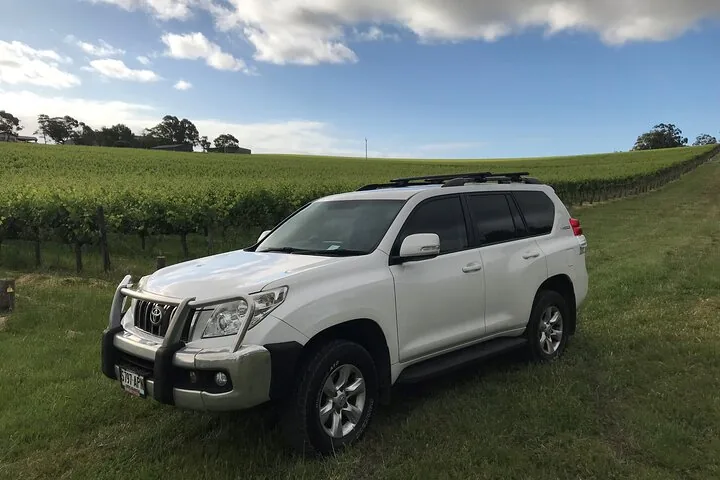
Private Wine Tours McLaren Vale or Adelaide Hills
- 5.0/5 (78 reviews)
- 6 to 7 hours
- Free cancellation
- Operated by Buckley Estate Farm - Wine Tours
Includes Private transport in an air-conditioned Toyota Prado GXL · Pickup and drop-off from Adelaide Airport, the CBD, Glenelg …
You'll choose your date and complete the booking on Viator. Free cancellation up to 24 hours before departure.
Adelaide Hills Pinot Noir at a glance
| Question | Short answer |
|---|---|
| Is the Adelaide Hills known for Pinot Noir? | Yes. Wine Australia calls it South Australia’s leading Pinot Noir region. |
| Typical style | Usually medium-bodied, fresh and aromatic |
| Typical flavours | Cherry, strawberry, raspberry, spice and savoury notes |
| Where to start | The Piccadilly Valley and Lenswood, the region’s two subregions |
| Only red wine? | No. Pinot from the coolest sites also goes into sparkling. |
| Good for beginners? | Very: aromatic fruit and soft tannins make it approachable |
| Good with food? | Very versatile: duck, chicken, mushrooms, salmon, pork, charcuterie |
| Does it age? | The best can; Wine Australia says the best Australian Pinot Noir can age 10 to 15 years |
| How to taste it | Compare Pinots from different sites or clones, not five unrelated wines |
Other Experiences
Other experiences you might enjoy
More Adelaide Hills wine tours, each with its own page and booking link.
Why Pinot Noir suits the Adelaide Hills
Pinot Noir is a fussy grape. It wants conditions cool enough to keep its acidity and perfume, warm enough to ripen fully, and its thin skins make every vineyard decision show in the glass. What the Hills give it, and most of South Australia cannot, is altitude. The wine region takes in the parts of the Hills above 300 metres, the highest vineyards sit at 600 to 650 metres around Crafers, Summertown, Piccadilly and Carey Gully, and the folds of the hills create many small mesoclimates.
The regional association counts the Hills among Australia’s coolest and highest wine regions, and says ripening conditions in the Piccadilly Valley can resemble Champagne’s, one reason Pinot Noir and Chardonnay both do so well there. Cooler conditions mean slower ripening, so the grapes keep their acidity while the flavour builds. In Pinot, that tends to mean bright red fruit, floral perfume, fine acidity, modest alcohol, soft or finely textured tannins, and savoury complexity in place of power: close to the opposite of what many visitors expect from a South Australian red.
What it tastes like
There is no single Hills Pinot flavour; the region is too varied for that. Wine Australia’s baseline is medium-bodied, with ripe cherry, strawberry and other berry flavours and fairly soft tannins. Across different bottles you might find red or sour cherry, strawberry, raspberry, cranberry, plum, rose or violet, dried herbs, forest floor, mushroom, clove or baking spice, pepper, and a little smoke or toast from oak. No bottle has all of them, and small differences in site, clone and winemaking push the wine in different directions.
Is it light-bodied?
Usually light-to-medium or medium, but that does not mean weak. Good Pinot can be intense without being heavy: think aroma, acidity, a silky texture, red fruit and savoury detail, not dense black fruit, heavy tannin and high alcohol. If you usually drink Sauvignon Blanc or Chardonnay and want to explore reds, it is the sensible place to start.
Pinot Noir and Shiraz side by side
| Adelaide Hills Pinot Noir | Typical full-bodied South Australian Shiraz | |
|---|---|---|
| Body | Light-medium to medium | Medium-full to full |
| Fruit | Cherry, strawberry, raspberry | Blackberry, plum, black cherry |
| Tannin | Usually fine and soft | Usually more obvious |
| Acidity | Fresh | Moderate to fresh |
| Spice | Subtle, herbal, earthy | Pepper, spice, chocolate |
| Overall | Fragrant, silky, detailed | Richer, broader, more powerful |
It is not a ranking, just two very different red wines. The Hills can grow both well, because their range of heights and mesoclimates gives very different vineyard conditions within one region.
The two subregions Pinot drinkers should know
The Adelaide Hills has two registered subregions, the Piccadilly Valley and Lenswood. There is excellent Pinot outside them, but the two names are worth knowing on a label and when you plan the day.
Piccadilly Valley
The Piccadilly Valley sits high in the Mount Lofty Ranges, with some of the region’s coolest vineyards, and its Champagne-like ripening conditions suit Pinot Noir and Chardonnay for both table wine and sparkling. Expect perfume, red fruit, acidity, delicacy, fine tannins and savoury detail. Ashton Hills, founded by Stephen George in 1982 and described by the winery as long regarded as the benchmark for Adelaide Hills Pinot Noir, has worked with different Pinot clones for decades, and it is the obvious first stop.
Lenswood
Lenswood, the other subregion, combines height, cool conditions and sloping vineyards among the orchards. It is the place to see how Pinot changes with clone and vineyard. Pike & Joyce bottles separate Pinot Noirs from its Lenswood vineyard made from clones 114, 777 and MV6, plus the W.J.J. Reserve that blends them, which turns “do I like Pinot Noir?” into “why do these two Pinots from the same vineyard taste different?”
What is a Pinot Noir clone?
A clone is a version of a grape variety selected and propagated for particular traits. It is still Pinot Noir, a bit like different varieties of the same apple, but clones can differ in berry size, bunch shape, ripening, colour, aroma, tannin, yield and flavour. Pinot has an unusually large number of them, and some Hills producers bottle them separately.
Why clone tastings are worth seeking out
A normal flight changes everything at once: Sauvignon Blanc, Chardonnay, Pinot Noir, Shiraz. A clonal Pinot tasting holds most of that steady. Pike & Joyce describes its Lenswood clones roughly like this:
- 114: brighter and more floral, with red cherry and raspberry.
- 777: darker and richer, with dark cherry and plush tannins.
- MV6: more structured and savoury, with firmer tannins.
The W.J.J. Reserve combines all three. Same grape, same place, noticeably different wines, and the kind of tasting that makes the subject click.
Sidewood in Hahndorf offers another comparison. Alongside its Estate Pinot Noir it bottles single-clone Vigneron’s Release Pinots, 777, Abel and Oberlin. The winery describes the 777 as bright and red-fruited, the Abel as deeper and more savoury, and the rarer Oberlin as strawberry, plum, rhubarb and spice. If they are open together when you visit, ask to compare them.
Where to taste Adelaide Hills Pinot Noir
The regional directory lists dozens of Pinot producers, so this is a set of starting points, each with a different angle on the grape.
| Winery | Area | Why go | Food |
|---|---|---|---|
| Ashton Hills | Ashton, Piccadilly Valley | Long-standing Pinot specialist | Ask when booking |
| Pike & Joyce | Lenswood | Clone-by-clone comparison | Restaurant at lunch |
| Shaw + Smith | Balhannah | Regional and single-vineyard Pinot | Seasonal small plates |
| Sidewood Estate | Hahndorf | Single-clone Pinots near Hahndorf | Restaurant |
| Ngeringa | Mount Barker Springs | A small, booked tasting | Ask when booking |
Ashton Hills: the Pinot pilgrimage
Founded by Stephen George in 1982, Ashton Hills is the winery most closely tied to Adelaide Hills Pinot Noir. Its estate vineyard on Tregarthen Road has been planted with and trialled with several Pinot clones over the decades, and the range runs from a Piccadilly Valley Pinot Noir through an Estate to a Reserve. The cellar door is listed as open Friday to Monday; book ahead. If your trip is about Pinot, make it an anchor booking, not an optional extra.
Pike & Joyce: comparing clones
Pike & Joyce farms a 25-hectare vineyard at Lenswood on former apple and pear orchards, and bottles the 114, 777 and MV6 clones separately. The tasting room opens daily from 11am to 4pm, structured tastings are by booking, and the restaurant serves lunch, which makes it the easiest place on this list to turn a Pinot tasting into a long lunch.
Shaw + Smith: polished modern Pinot
Shaw + Smith makes a regional Pinot Noir and a single-vineyard Lenswood Vineyard Pinot Noir, and its A$25 Classic Flight includes a Pinot Noir beside Sauvignon Blanc, Riesling, Chardonnay and Shiraz. That suits a group with different tastes: one person can concentrate on the Pinot while another explores the whites. Bookings are strongly recommended. The Hahndorf Food & Wine E-Bike Tour includes a wine flight here, from $189 per person.
Sidewood Estate: clones near Hahndorf
Sidewood pairs its Estate Pinot Noir with the limited single-clone 777, Abel and Oberlin, which show nicely how Pinot moves from bright red fruit towards deeper, more savoury territory. The cellar door and restaurant are in Hahndorf, so it suits beginners, couples and anyone combining wine with the village. Set tours that stop here include the Hills & Hahndorf Hideaway and the Hahndorf & Hills Wine and/or Gin Tour.
Ngeringa: a smaller tasting
Ngeringa, at Mount Barker Springs, is among the region’s established Pinot producers and offers tastings by booking, including a single-vineyard and museum tasting and a Sheoak-label tasting. It is a good counterpoint to the bigger, more polished cellar doors.
A Pinot day from Adelaide
Build the day around contrast, not quantity: Ashton Hills for the Piccadilly Valley and the region’s Pinot history, Pike & Joyce for Lenswood and the clones, and Sidewood or Shaw + Smith for a more relaxed modern cellar door and the other Hills varieties.
- 10:30, Ashton Hills. Start in the Piccadilly Valley while your palate is fresh, and taste the range side by side for differences in aroma, ripeness, tannin, oak and finish. Allow about an hour.
- 12:15, Pike & Joyce, Lenswood. Compare the clonal Pinots if they are open, and stay for lunch instead of squeezing food into a 30-minute gap.
- 15:00, a third Pinot stop. Shaw + Smith for a regional and single-vineyard comparison, or Sidewood to finish near Hahndorf with more single-clone Pinot.
- 16:30, stop tasting. Three proper Pinot tastings is plenty.
The route runs from the Piccadilly Valley through Lenswood to Balhannah or Hahndorf, so someone has to drive. A private tour is the easy answer, and it has one big advantage: you can ask for a Pinot-heavy day. Ask for two or three wineries strong in Pinot, a single-vineyard tasting, a clonal tasting if one is available, Pinot with lunch, and fewer wineries with more time at each. The Buckley Estate private tour lets you nominate the cellar doors for a party of up to four, with tastings and lunch paid separately, and the Private Adelaide Hills Wine Region Tour, from $349 for up to four, had one guest single out Ashton Hills for its Pinot. More options are on private wine tours.
Why Pinot tastes so different from one winery to the next
No single factor explains it.
- Altitude. Higher sites are generally cooler, which slows ripening and keeps acidity.
- Slope and aspect. Two vineyards close together can get very different sun, and the direction and steepness of a slope affect temperature, drainage, wind and how fast the grapes ripen.
- Clone. As Pike & Joyce and Sidewood show, different clones bring different fruit, structure and perfume.
- Whole-bunch fermentation. Some winemakers ferment part of the wine with whole bunches, stems and all, which can add fragrance, spice, herbal notes, tannin and structure. Wine Australia lists whole-bunch and stem inclusion among the techniques Australian Pinot producers use for complexity.
- Oak. Pinot is often aged in French oak, but too much new oak can swamp it. Wine Australia notes a move towards less new oak and larger barrels to keep the fruit. Ask how much new oak was used; the answer explains a lot.
Pinot Noir in sparkling wine
Pinot Noir is also one of the classic grapes for traditional-method sparkling, and the coolest Hills vineyards grow it with the acidity sparkling needs; Wine Australia notes that some of the region’s cooler-site Pinot goes into traditional-method sparkling. Try it twice in one day: first as sparkling, then as red Pinot. Same grape, a completely different wine, and the quickest lesson in how winemaking shapes what you taste.
Is it like Burgundy?
Burgundy comes up whenever Pinot does, but calling Hills Pinot “Australian Burgundy” does not help much. The two differ in climate, geology, vineyard history, clones, viticulture and winemaking tradition. There can be similarities in freshness, perfume and savoury complexity, but the better question is what Pinot tastes like when it is grown at altitude in South Australia.
The Hills against other Australian Pinot regions
Wine Australia names the Adelaide Hills, the Mornington Peninsula, Tasmania and the Yarra Valley among the country’s major Pinot regions. Very broadly:
| Region | General Pinot style |
|---|---|
| Adelaide Hills | Medium-bodied, ripe cherry and berry fruit |
| Yarra Valley | Light to medium, cherry, strawberry and plum |
| Mornington Peninsula | Medium-bodied, strawberry and cherry with juicy acidity |
| Tasmania | Light to medium, delicate cherry, strawberry and red fruit |
These are generalisations; producer, vineyard and vintage matter as much.
Food with Adelaide Hills Pinot Noir
Pinot is one of the easiest reds to match with food: its acidity, moderate body and gentle tannin work where a heavy Cabernet or Shiraz would swamp a dish. Wine Australia suggests pork, chicken, quail, beef, salmon, charcuterie, pâté and terrines. Duck is the classic match. Mushrooms echo Pinot’s savoury side, roast chicken with herbs works beautifully, and salmon is one of the rare fish dishes where red wine shines. Roast pork, a cellar-door charcuterie platter and flavourful soft or semi-hard cheeses all suit it too.
Serving and cellaring
Serve Pinot slightly cool. A common mistake is pouring it at warm Australian room temperature; around 14 to 16 °C suits many styles. Without a thermometer, give a bottle from a warm room 20 to 30 minutes in the fridge, and the fruit comes through more clearly.
Not every bottle needs ageing; fresh, fruit-led Pinot is often delicious young. More structured examples can develop forest floor, dried cherry, mushroom, spice and leather with time, and Wine Australia says the best Australian Pinot Noir can age for 10 to 15 years. At the cellar door, ask “would you drink this now, or is it worth keeping?”, which is more useful than assuming the dearer bottle lasts longer.
What a bottle costs
Pinot is rarely cheap to make: low yields, hand picking, small parcels and oak all add up. Cellar-door prices in October 2026:
| Wine | Price |
|---|---|
| Pike & Joyce Vue du Nord Pinot Noir | A$35 |
| Pike & Joyce clonal 114, 777 or MV6 | A$50 each |
| Pike & Joyce W.J.J. Reserve | A$75 |
| Sidewood Estate Pinot Noir | A$35 |
| Sidewood Vigneron’s Release Abel or Oberlin | A$50 |
Prices change with each vintage. You do not need to jump to the most expensive bottle: start with the producer’s regional or estate wine, and if you love it, move on to a single vineyard and then a single clone or reserve. That order makes the premium bottles much easier to understand.
How to taste Pinot Noir
- Look. Pinot is often paler than Shiraz or Cabernet. That is normal, and a darker colour does not mean a better wine.
- Smell before you swirl, then swirl gently and smell again, and notice how much more aromatic it becomes.
- Find the fruit first: is it more strawberry, raspberry, cherry or plum? Do not hunt for twenty aromas.
- Notice the texture: silky, juicy, firm, delicate or grippy. With Pinot, texture matters as much as flavour.
- Compare the finish: after you swallow or spit, notice how long the flavour stays, then move to the next wine. Pinot gets interesting side by side.
Better questions than “what’s your best Pinot?”: Where was this grown, and how high is the vineyard? Which clone is it? Do you use whole bunches? How much new oak? Is the fruit estate-grown, or a single vineyard? How was this vintage different? Which Pinot best shows your site, and can I compare it with another one you make?
Is Pinot Noir good for beginners?
Very. It has appealing fruit, soft tannins, plenty of aroma, moderate body and enough acidity to feel fresh, and the differences between vineyards and winemaking are easy to pick up. If you are new to wine, taste two Hills Pinots side by side and decide which you prefer, and why. That is enough. Our wine tasting guide covers how a cellar-door flight works.
When to go for Pinot
You can taste Pinot all year, but the visit changes with the season. Vintage falls in late summer and autumn, roughly February to April depending on the site and year, when the vineyards and wineries are busy and behind-the-scenes access can be harder to get. April and May bring autumn colour and cooler weather that suits a glass of Pinot. Winter, June to August, is underrated: Pinot, mushrooms, fires and long winery lunches. Spring, September to November, is green, mild and comfortable for touring, and in summer, December to February, book tastings earlier in the day if hot weather is forecast. See the best time to visit.
Frequently asked questions
Is Adelaide Hills Pinot Noir good?
Yes. Wine Australia identifies the Adelaide Hills as South Australia’s leading region for high-quality Pinot Noir and one of Australia’s major regions for the grape, alongside the Mornington Peninsula, Tasmania and the Yarra Valley.
What does Adelaide Hills Pinot Noir taste like?
Typical examples are medium-bodied with cherry, strawberry and other red-berry flavours, fresh acidity and fairly soft tannins. Individual wines can also show spice, flowers, herbs, earthy and savoury notes.
Where is the best Pinot Noir grown in the Adelaide Hills?
Good Pinot grows throughout the region, but the Piccadilly Valley and Lenswood, the Adelaide Hills’ two registered subregions, are especially important cool-climate areas for it.
Which Adelaide Hills winery is best known for Pinot Noir?
Ashton Hills, founded by Stephen George in 1982, is the winery most closely associated with the grape. It describes itself as long regarded as the benchmark for Adelaide Hills Pinot Noir and has worked with different Pinot clones for decades.
Is Adelaide Hills Pinot Noir sweet?
No. Pinot Noir from the Hills is normally made as a dry red wine. The strawberry and cherry fruit can taste fruity, but fruity and sweet are not the same thing.
Is Pinot Noir red or white?
It is a dark-skinned grape normally made into red wine, but it can be pressed without long skin contact and used for sparkling wine.
Is Pinot Noir used in Adelaide Hills sparkling wine?
Yes. Pinot Noir and Chardonnay from the region’s coolest vineyards are important for traditional-method sparkling.
What temperature should Pinot Noir be served at?
Slightly cool: around 14 to 16 °C suits many styles. From a warm room, 20 to 30 minutes in the fridge is about right.
What food goes with Pinot Noir?
Duck, roast chicken, pork, salmon, mushrooms, charcuterie, pâté and many cheeses are all good matches.
Should I decant Pinot Noir?
Young, straightforward Pinot rarely needs hours of decanting. A premium young bottle may benefit from some air, while an older Pinot should be handled gently because its aromas can be delicate. When you buy from the producer, ask how they would serve that vintage.
Can I visit Pinot wineries on a tour?
Yes. Set tours visit some Pinot producers, such as Shaw + Smith on the e-bike tour and Sidewood on the Hills & Hahndorf Hideaway, but a private tour is the way to build a whole day around Pinot, because you choose the cellar doors. The Buckley Estate private tour costs from $171 per person for a party of up to four.
Before a Pinot day
- Start in the Piccadilly Valley, one of the coolest and most important Pinot areas.
- Compare, do not collect: three good visits beat six rushed tastings.
- Ask about clones: Pinot is the best grape for tasting the difference.
- Try a Pinot sparkling too, to see how versatile the grape is.
- Do not serve your bottles too warm: slightly cool Pinot is more aromatic and refreshing.
Pinot gives the Hills something many famous Australian wine regions lack: contrast. You can leave Adelaide expecting South Australian red to mean powerful Shiraz and find yourself drinking a pale, fragrant Pinot that smells of cherry and herbs, then drive 20 minutes and find the next one different again. Taste it from the Piccadilly Valley, taste it from Lenswood, compare two clones, then taste a sparkling made from it, and by the end of the day the cool climate is something you can taste.
Keep planning with the best Adelaide Hills wineries, the best Adelaide Hills wine tours and the wine tasting guide.
Spend a Day in the Adelaide Hills
Free cancellation up to 24 hours before. Private Wine Tours McLaren Vale or Adelaide Hills from $171 per person.
Check Availability & Book